It looks quite unusual: In June 2019, the Delft University of Technology (TU Delft) in the Netherlands and KLM presented the concept for a completely new aircraft: the so-called Flying V. KLM CEO Pieter Elbers said on Tuesday (September 1) that interest in the aircraft, in which fuselage and wings are one, had been very high. However, some say the whole thing simply is a clever PR campaign.
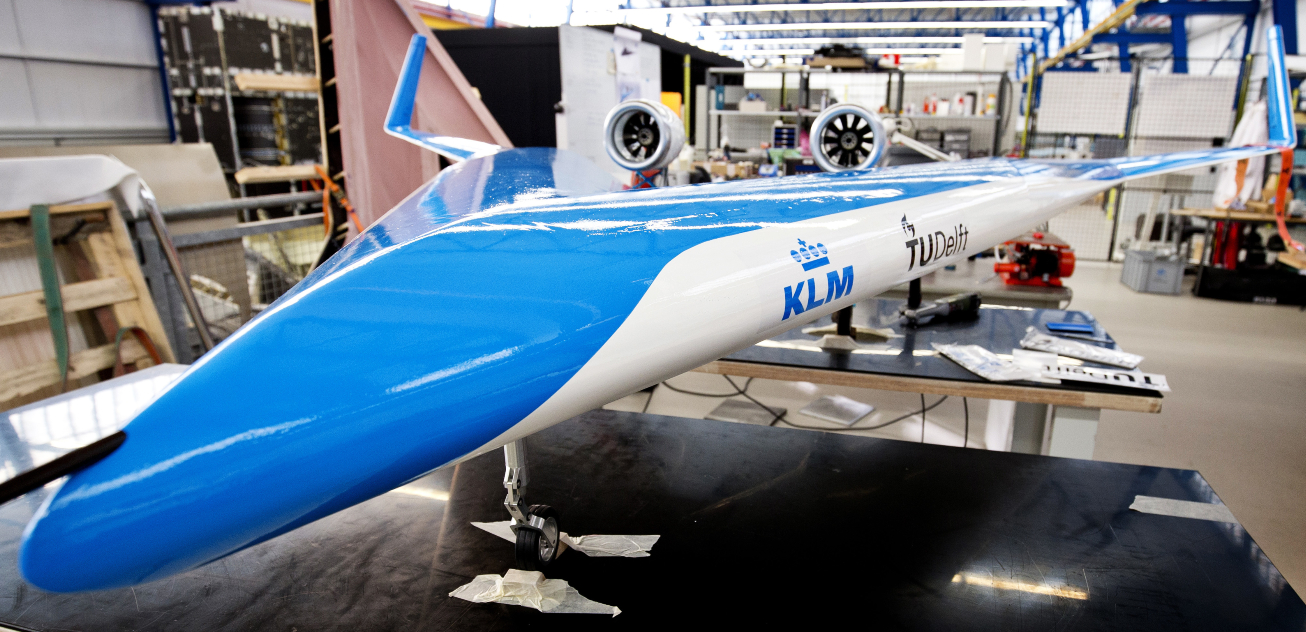
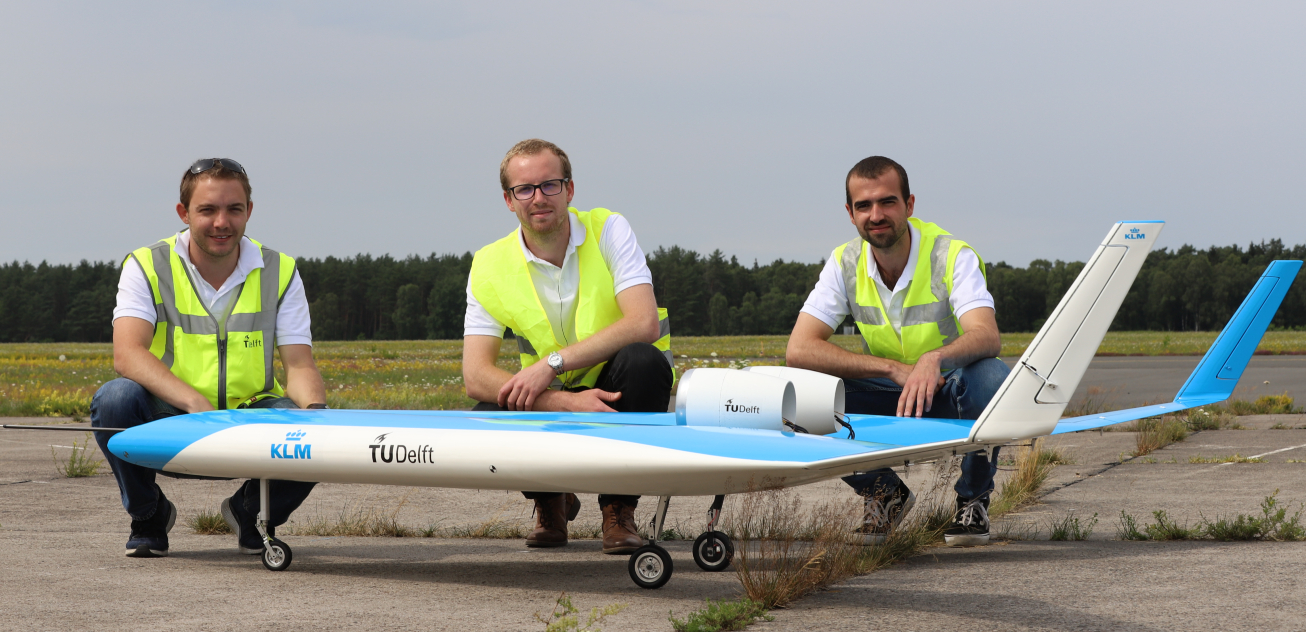
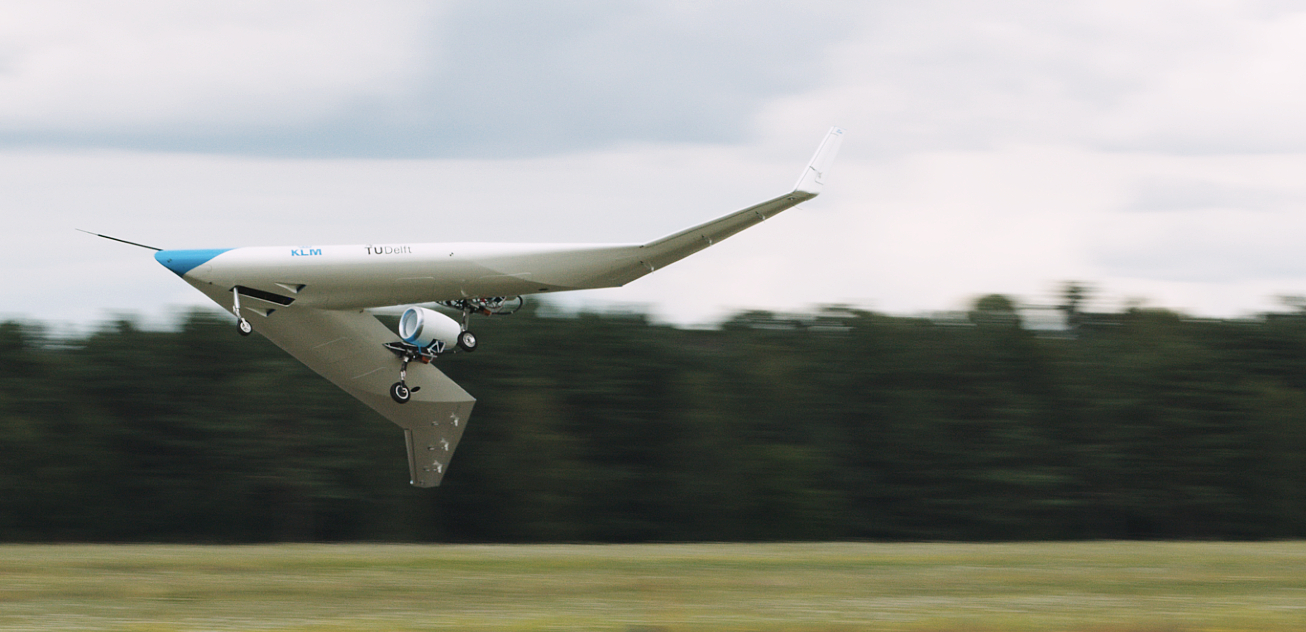
At an online press conference, researchers from Delft University and KLM made it clear that they were serious about developing the aircraft. They demonstrated that a model of the Flying V is already able to fly. The maiden flight took place in mid-July at a military airfield in Fassberg in Lower Saxony, Germany. The model with a length of 2.76 metres (9 ft), a wingspan of 3.06 metres (10 ft) and a weight of 24.8 kilograms (55 lbs) was in the air for about five minutes.
Initial findings and changes
Project manager Roelof Vos from the Delft University of Technology explained that it is not possible to build on knowledge of classic aircraft shapes. That is why flight tests with a model are important in order to carry out measurements and collect data at an early stage.
Vos was very satisfied with the fact that the V took off, flew and landed, and was easily controllable. However, the test also revealed a need for improvement: the aircraft's centre of gravity was too far back, causing it to climb very steeply and run the risk of stalling - which the pilot prevented at the remote control.
20 percent less fuel
In addition, the aircraft was prone to be affected by crosswinds and had a tendency to so-called Dutch Rolls and wobble. The landing gear also had to be moved forward - the nose gear broke during landing.
The final plane is said to one day be able to fly long distances with similar engines as a current long-haul aircraft like an Airbus A350. It would transport more than 300 passengers, but consume 20 percent less fuel.
Airbus looks at the tanks
Daniel Reckzeh from Airbus' Research and Development Department was also present at the presentation. He explained that the shape of the Flying V offers completely new possibilities for accommodating fuel tanks. This is interesting when it comes to future hydrogen propulsion systems. The very first concept for Flying V was designed by a student as part of his diploma thesis at Airbus.
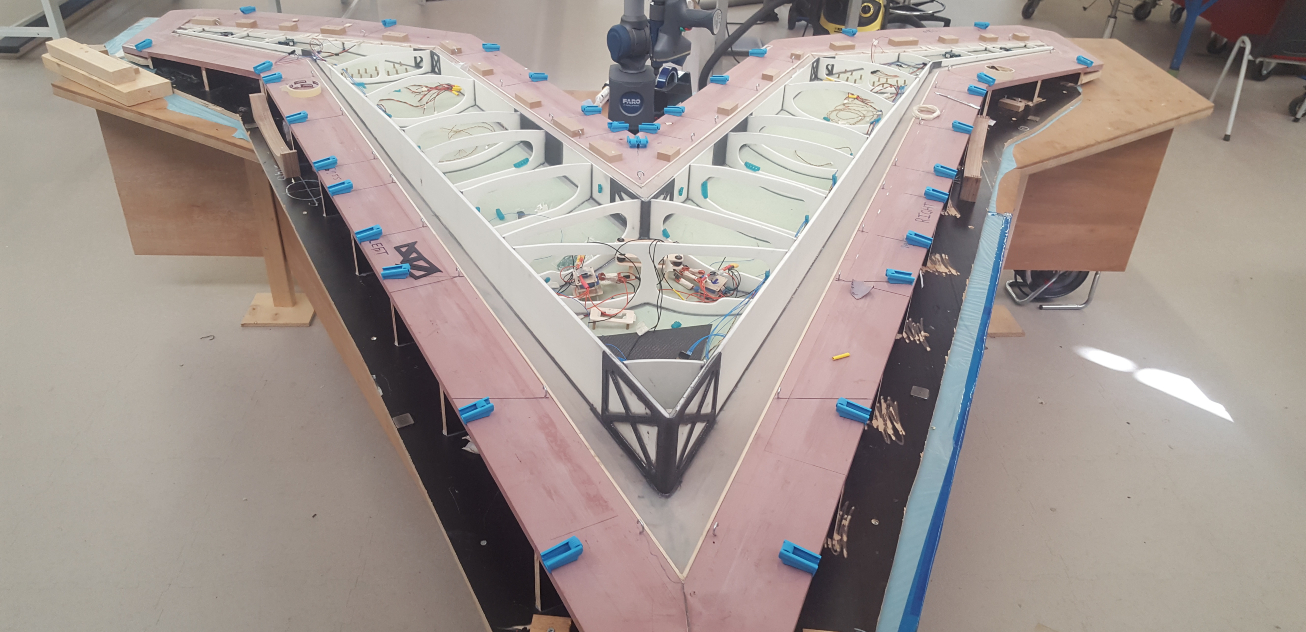
In the image gallery above you can see pictures of the Flying V.
A model of KLM's Flying V completes maiden flight
The Flying V model: It's 2.76 metres (9 ft) long, ...
... has a wing span of 3.06 metres (10 ft) and a weight of 24.8 kilograms (55 lbs).
In mid-July, the model took off for the first time at a military airbase in Faßberg, Germany.