Airplanes are built to withstand even the most severe turbulences. Nevertheless, they are never pleasant for passengers. If you're not strapped in, you can even get seriously injured. Only recently, pictures from airplanes went viral once again showing chaos in a plane after violent turbulences. According to a new study by the British University of Reading, incidents of this kind are likely to become more frequent in the future.
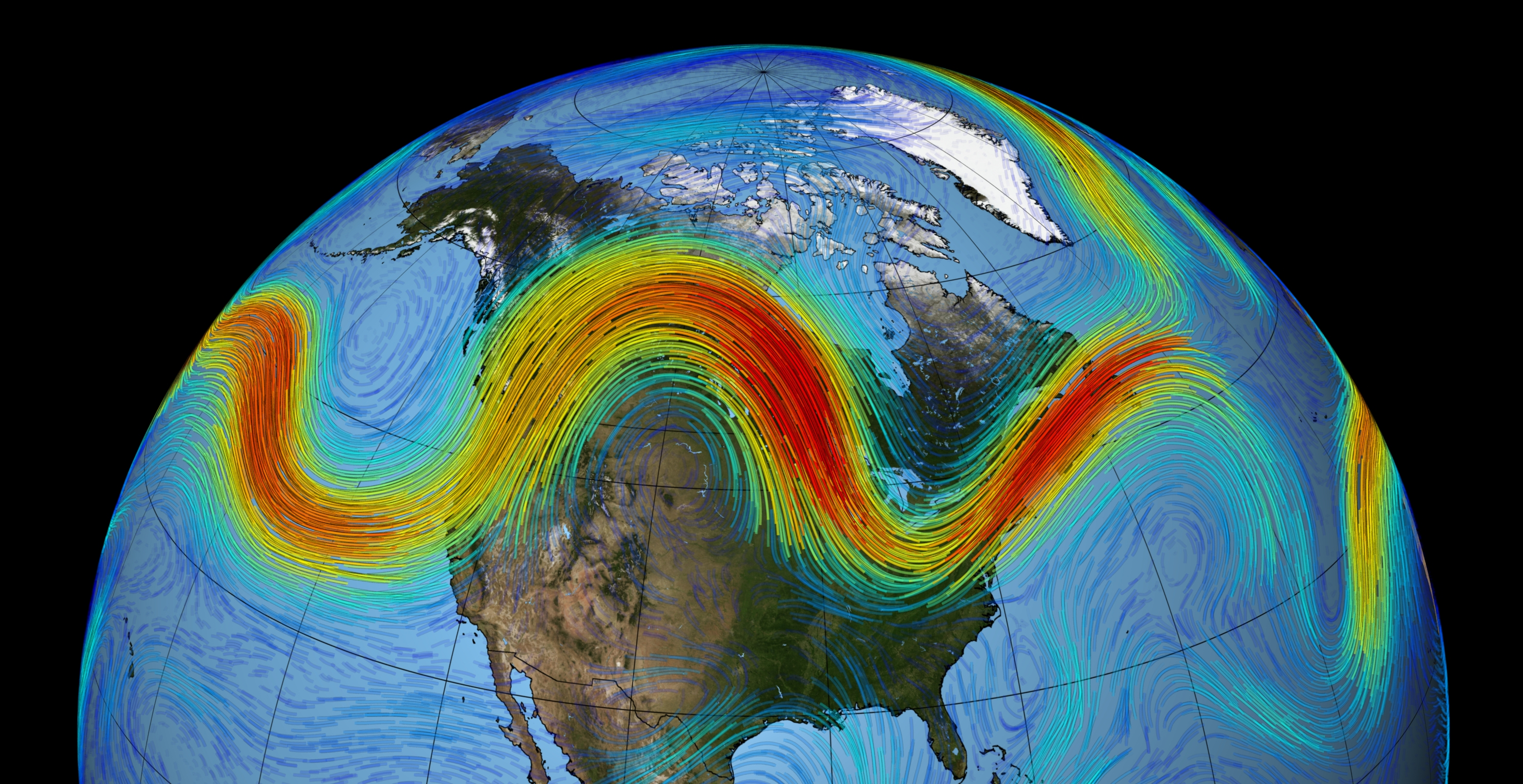
The researchers investigated how temperature changes affect winds. Transatlantic flights in particular would be affected by differences, as the jet stream blows on these routes. It is caused by temperature differences between the poles and the tropics and is exactly at the altitude at which many aircraft are flying between Europe and North America. The wind in the jet stream can already reach speeds of up to 400 kilometers per hour at its fastest points - which regularly ensures that flights fly over the Atlantic in record time.
Not faster, but...
The researchers' investigations of the particularly intensive part of the jet stream over the North Atlantic revealed only minor changes in the speed over the past few years. But that's not everything. The new study, which was published in the renowned journal Nature, states that it is simply not possible for temperatures to change without something happening with the winds.
The climate researchers found other changes. The rise in temperatures has apparently led to changes in vertical winds, i.e. downwind winds blowing between different layers of air. They investigated satellite data for the years 1979 to 2017 and found that these falling winds have increased by 15 percent - which, according to the researchers, is what one would expect from climate change according to the calculations.
«Without our noticing»
It is also such drop winds that could cause very unpleasant turbulences. «When we think of climate change, we usually think of what we notice on the ground. But in the last 40 years it has also taken place in 35,000 feet, without us noticing anything», say the researchers. The problem could be that the whole thing leads to a kind of vicious circle. Pilots usually try to avoid turbulences by flying around them. This in turn increases fuel consumption. And that further damages the climate.