880 to 890 aircraft will be delivered by Airbus in 2019, says Michael Schoellhorn. "This is an increase of about ten percent compared to the previous year", said the Chief Operating Officer of the european manufacturer. The output has continued to increase for 16 years in a row. And the demand for aircraft continues to increase as well. Airbus estimates that 39.200 new aircraft will be needed in the next 20 years.
In order to cope with this future demand, Airbus has to make changes today. "We cannot increase production any further if we continue to produce as we do today," says Schoellhorn. This is all the more true since the complexity is increasing and more and more variants are being offered, such as the A321 Neo, which is now also available as an LR and XLR version. For Airbus, the path to greater efficiency is a much more automated production process than before.
Robots drill holes in fuselage sections
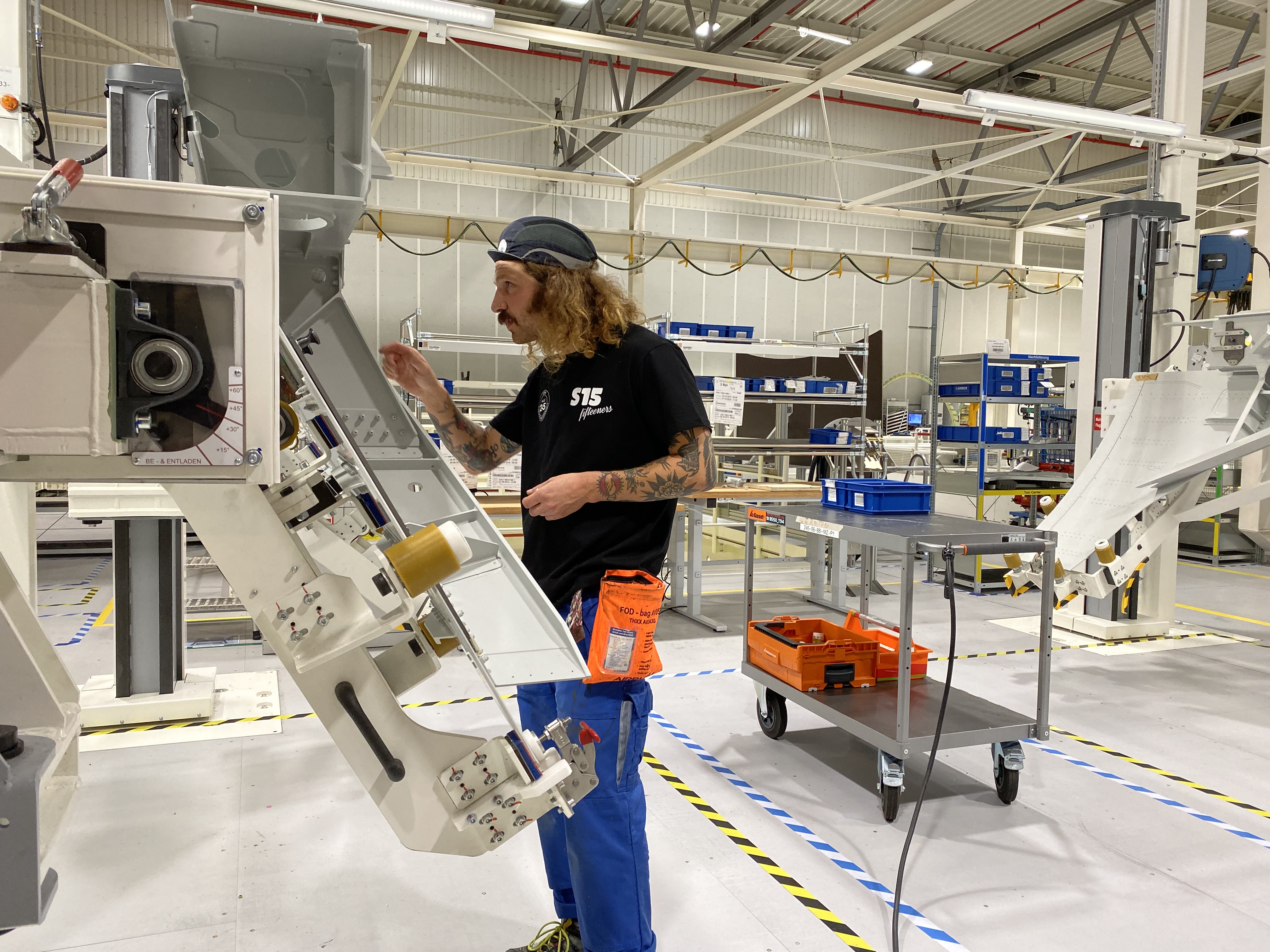
At the Finkenwerder plant in Hamburg, Airbus has in recent months built a new, highly automated production line for fuselages of the A320 family, which works quite differently from the other plants. It was officially opened on Tuesday (1 October). Several hundred men and women still work in Hangar 245. But there are also robots at work.
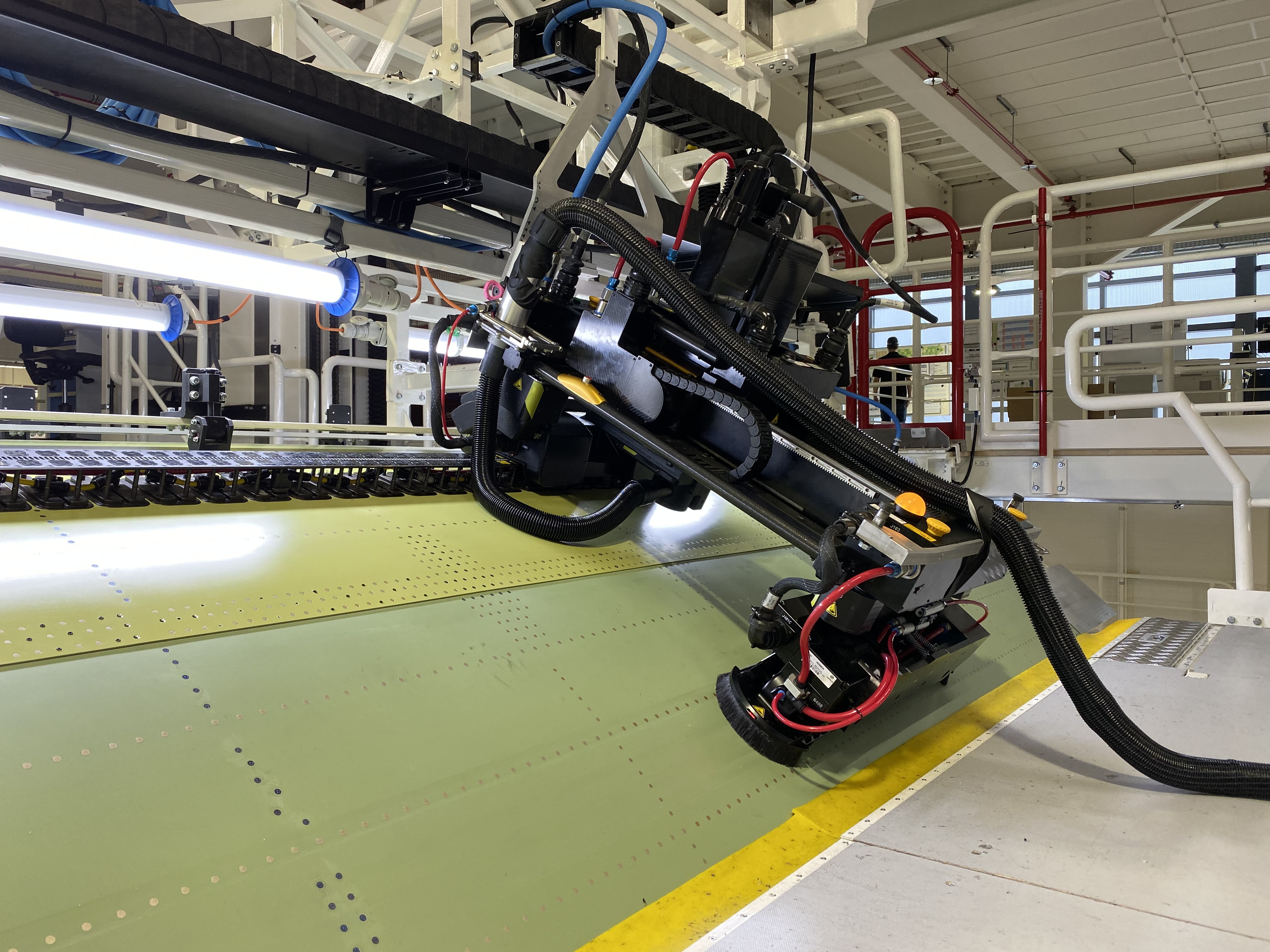
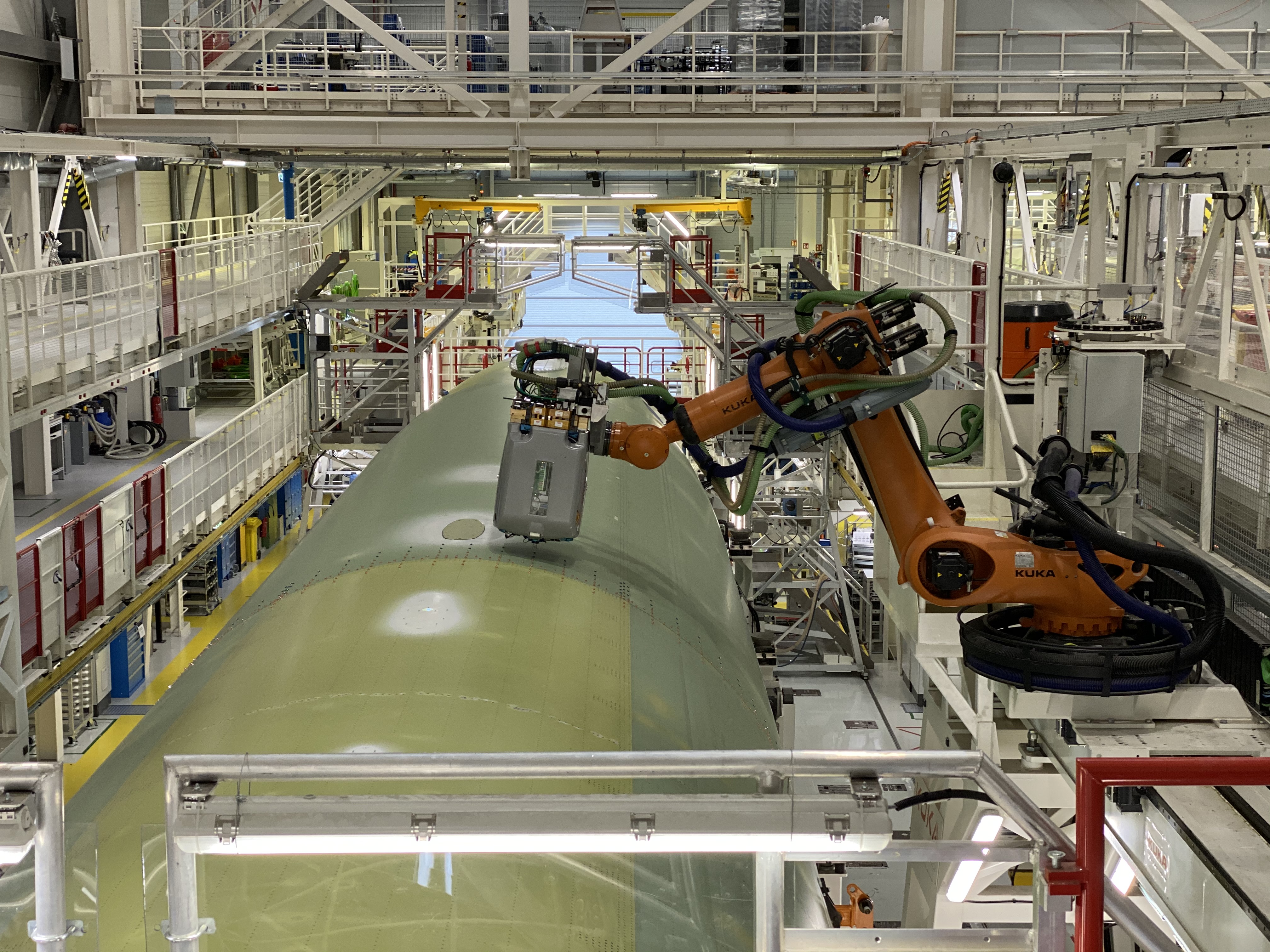
Twelve seven-arm machines, for example, drill holes in fuselage sections and then rivet them. A further eight robots are responsible for bringing fuselage shells together. They do their work with an accuracy of 0.2 millimeters - that's about the thickness of two human hairs.
Laser technology helps
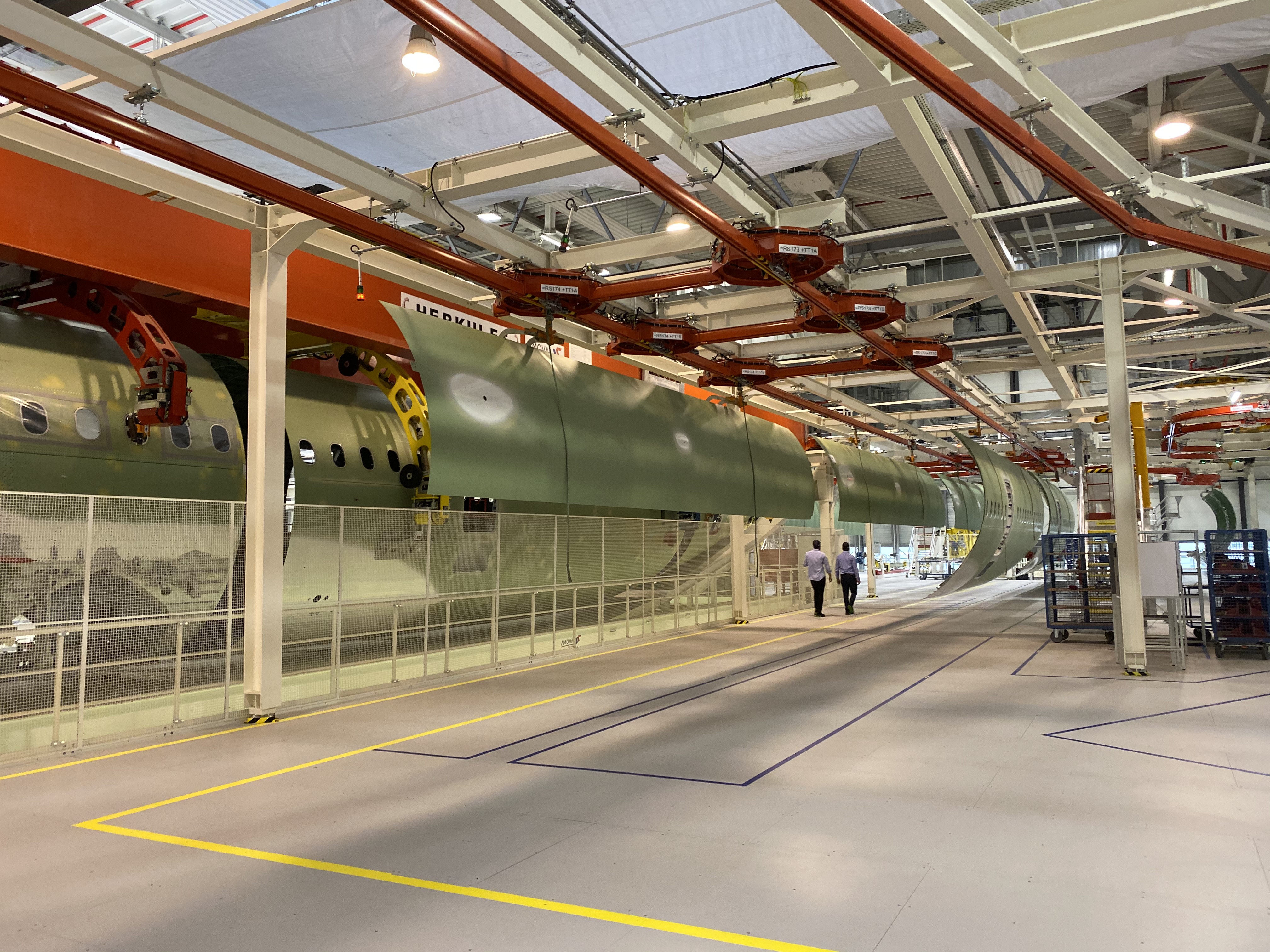
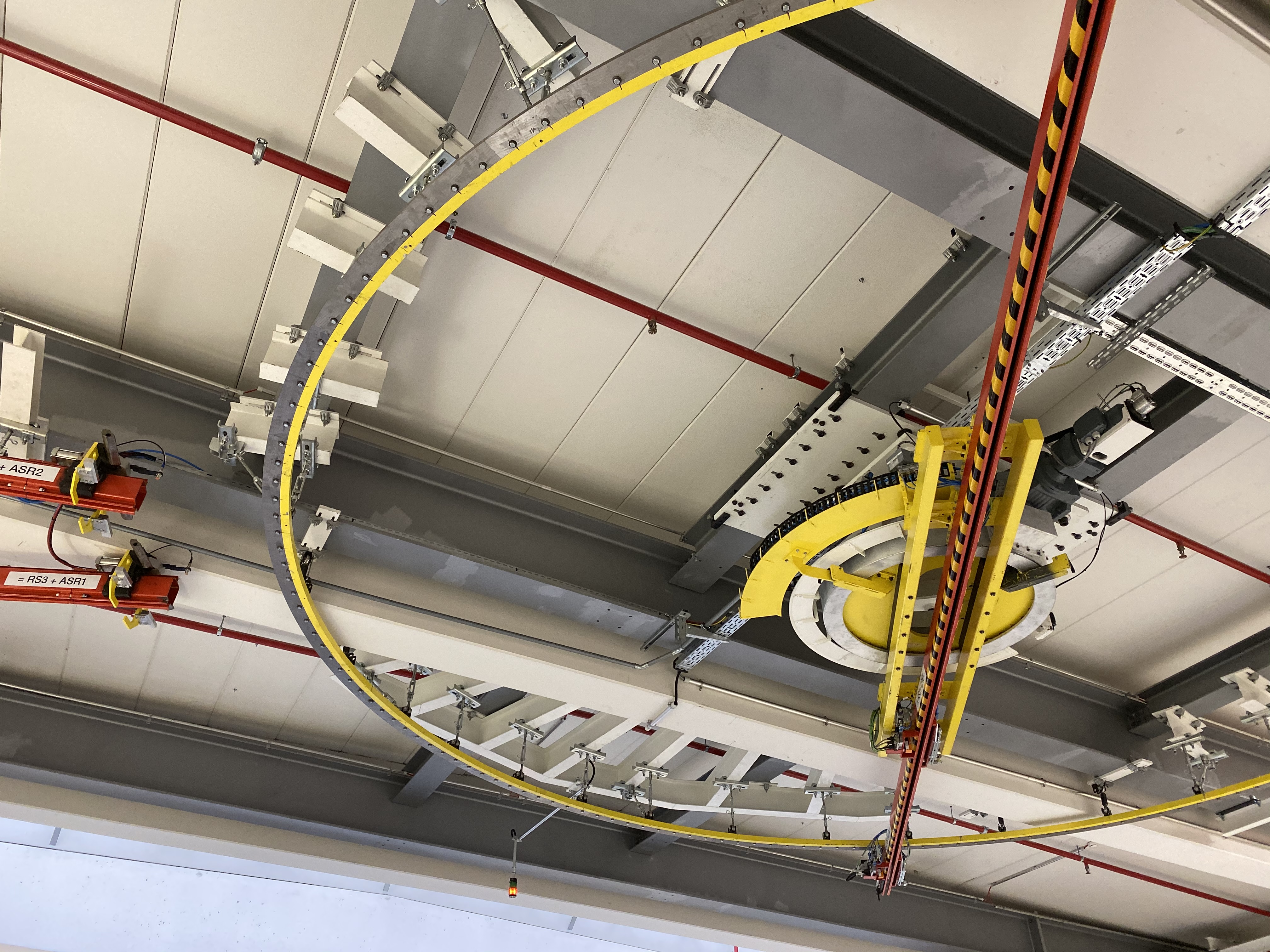
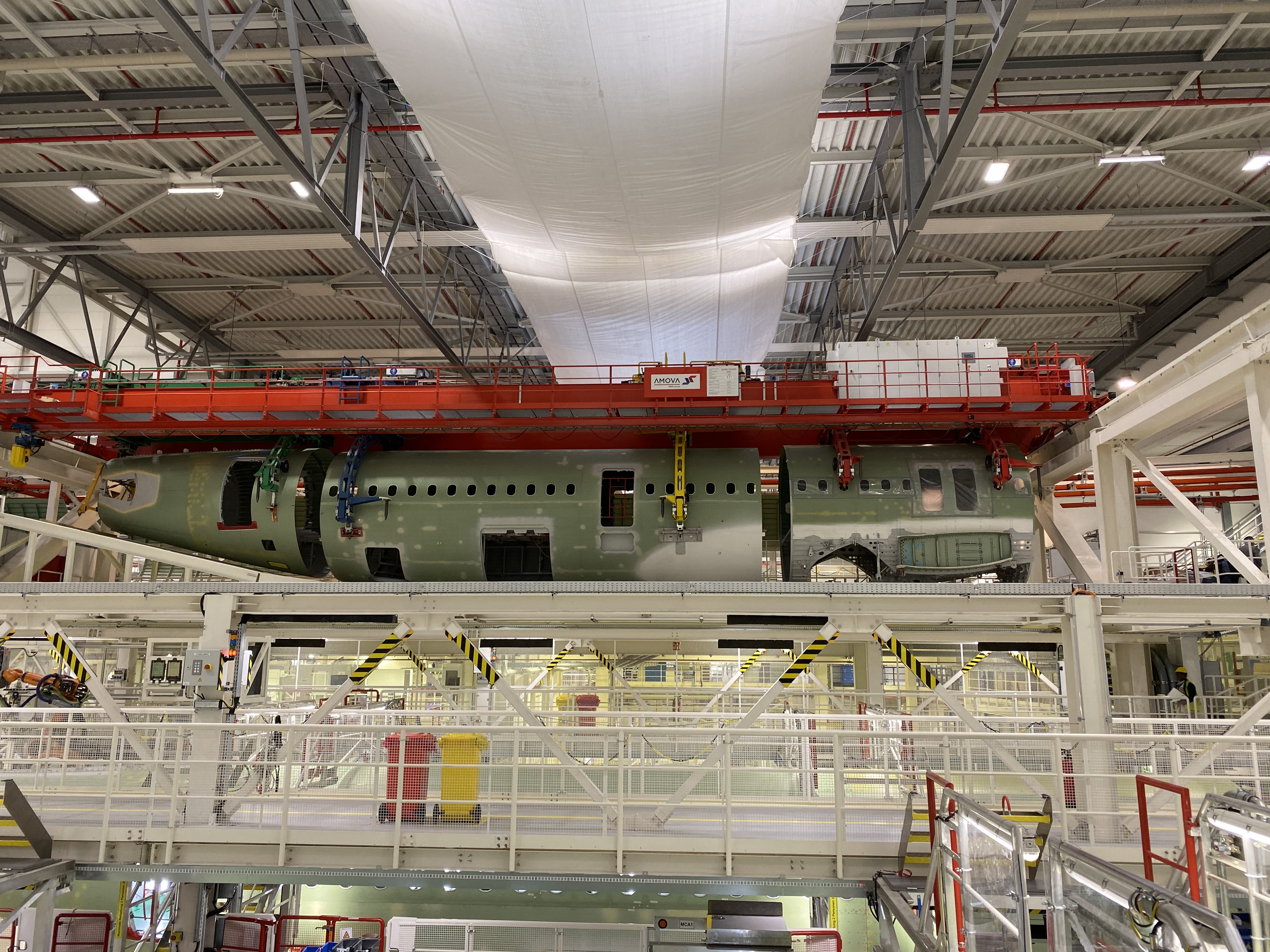
The lighter components are moved from station to station in the hangar with rails on the ceiling, the larger components with a crane. Laser technology ensures that the parts are fitted precisely, cameras measure how long they stay at which location and whether everything goes according to plan.
But the secret of the new production world in Hangar 245 goes further than automation, explains André Walter. The manager of the production site in Hamburg points to a far-reaching digitalization process. In this way, the entire production flow is controlled and employees on site receive their information much faster. Logistics have also been improved.
Less repetitive work
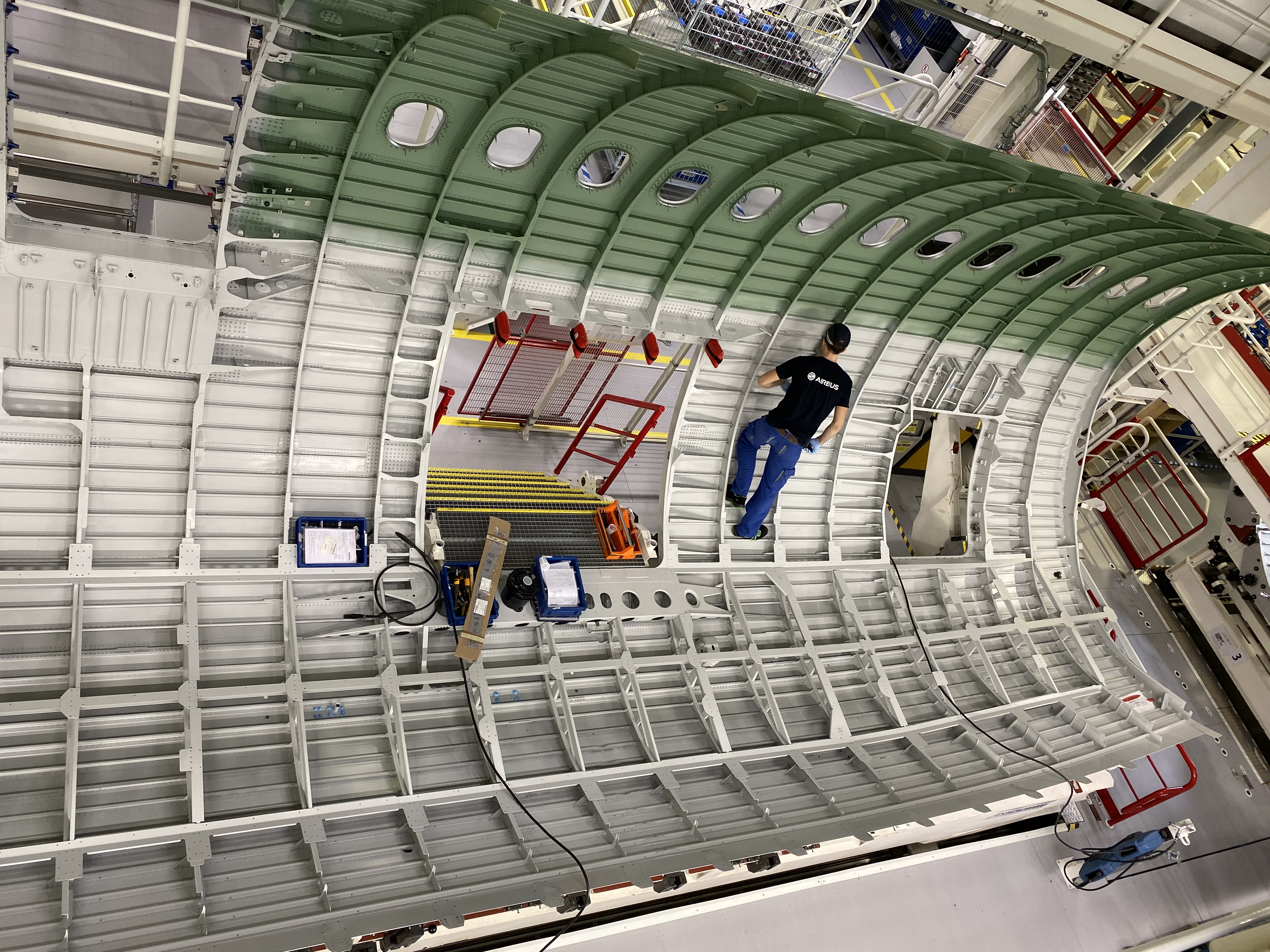
Last but not least, the ergonomics for the employees have also been improved. "Many stressful and repetitive work steps are carried out by robots today," says Walter. This includes work above head height, such as riveting the underside of the fuselage. Kneeling activities have also been reduced. In total, the workload was reduced by around one fifth. Although jobs have been made redundant, new jobs are being created elsewhere to meet the high demand.
The workers are currently assembling the rear fuselage sections of the Airbus A321 LR together with the robots in Hangar 245. "What we are doing here is a learning process," says Schoellhorn. Airbus according to Schoellhorn ist not yet where it wants to be with automation. But now it is beginning to see what is possible and what is not.
Airplanes have to be developed differently.
All Airbus employees in Hamburg were trained for the new production method. The company wants to get everyone on board and tap into their knowledge in order to create a better plant for the future. What is now being set up in Hangar 245 could later be used elsewhere. "This is not yet an issue," says Schoellhorn, though.
But that's not all. In the future, aircraft will also have to be developed differently. "We no longer just have to look at performance," says the Airbus operations manager. "We also have to look from the outset at how we can build them better.
In the picture gallery above you can see pictures from Airbus' hangar 245.
Airbus is testing the factory of the future in Hamburg
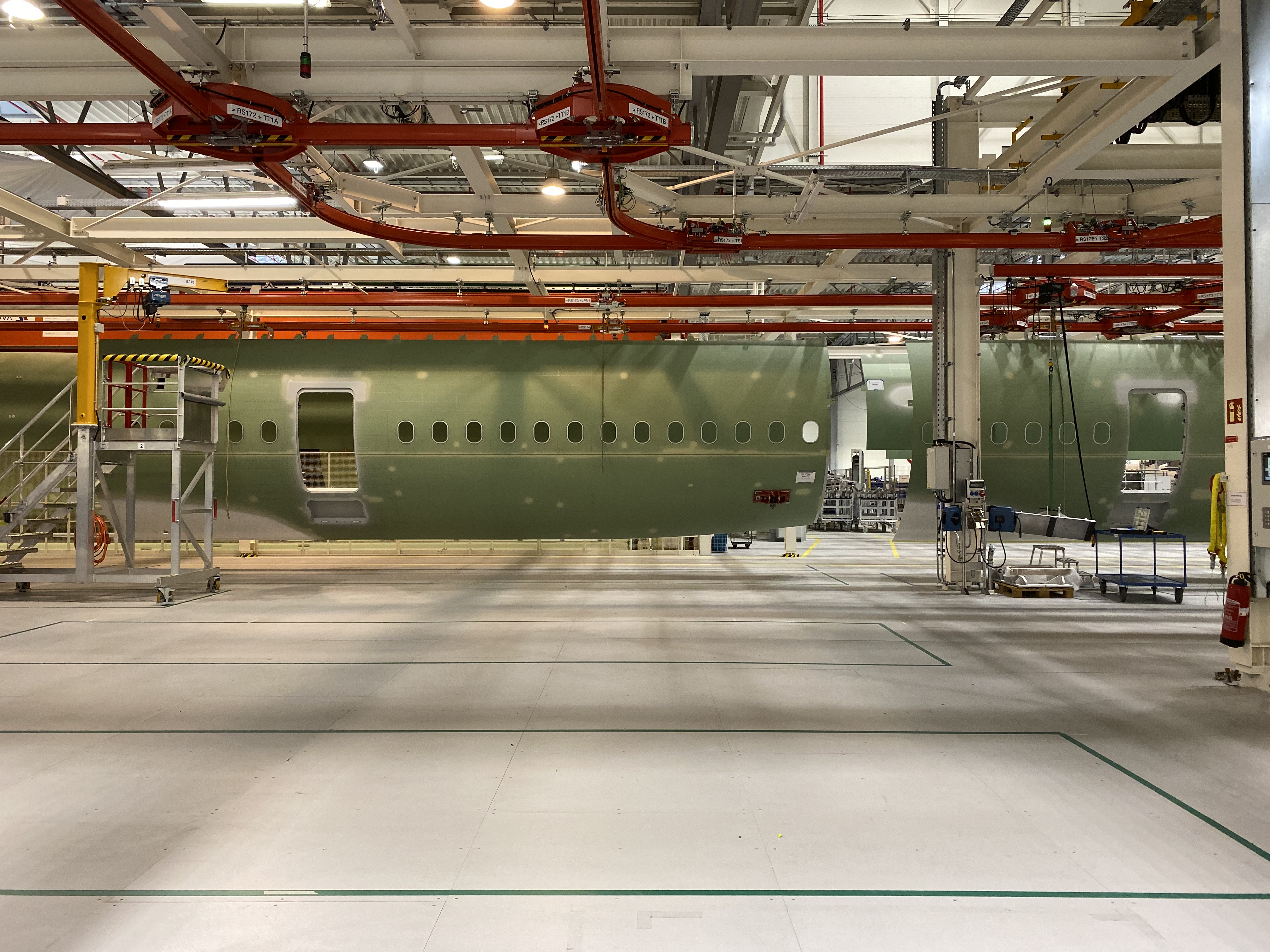
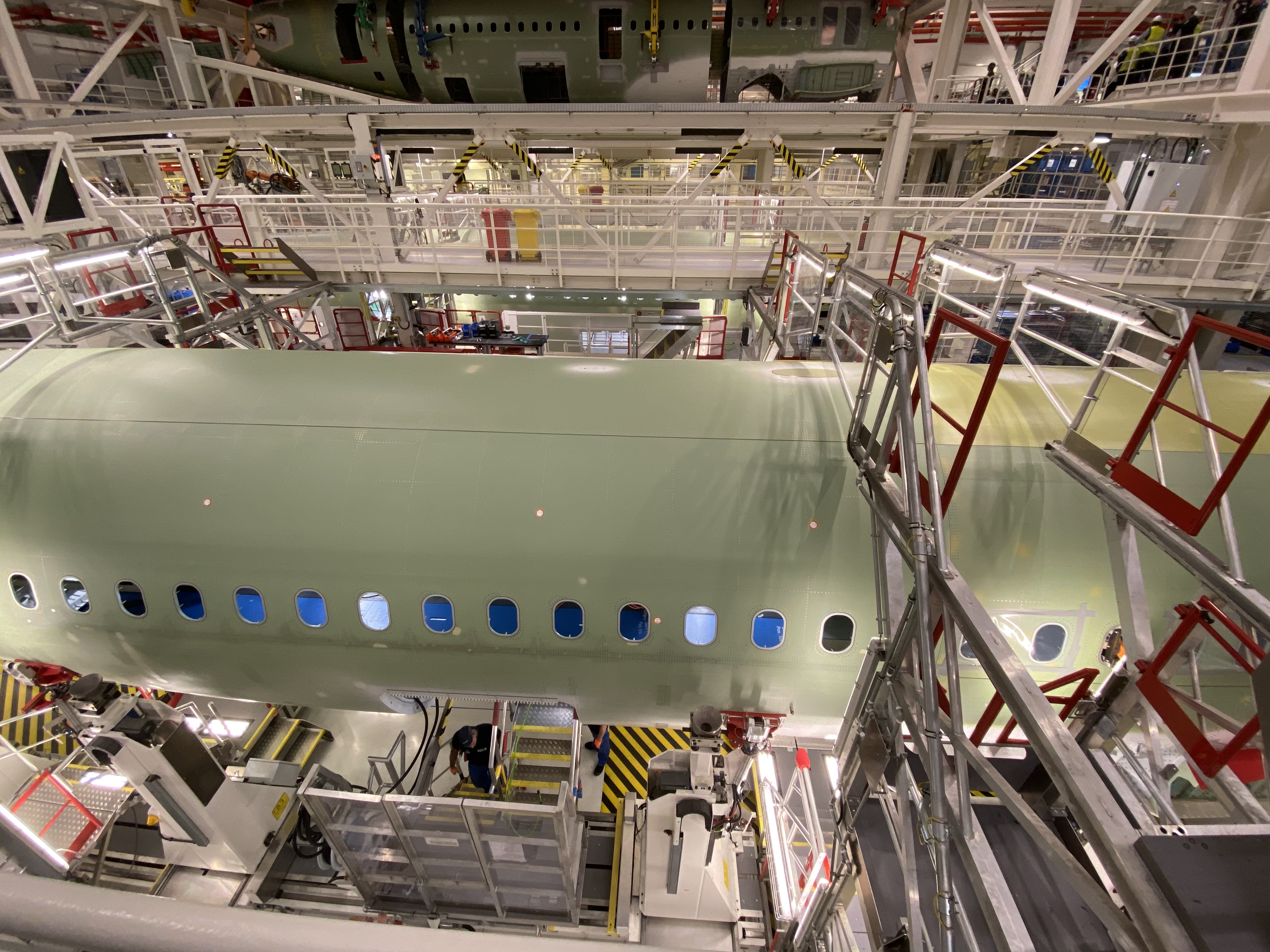
The rear fuselage sections of the Airbus A321 LR are assembled in Hangar 245 at the Airbus plant in Finkenwerder.
The shells are delivered by truck and then transported via rails on the ceiling...
... to the next workstation.
Robots combine the parts...
... to fuselages. 0.2 millimeters is the maximum tolerance everywhere.
Assembly robots rivet the fuselage sections.
From station to station the sections are lifted by crane...
...and are then lowered onto the next station.
There is still manual work in pre-production. Airbus is making sure that the workplaces there are more ergonomic than before.