To make airplanes even quieter, not only quieter engines are needed. In collaboration with the Swiss Skylab Foundation and the Swiss research institute Empa, the German Aerospace Center DLR is researching a new approach procedure that generates less noise. The trick is to make the engines run quieter as long as possible with a more continuous descent. However, pilots must maintain a precise sink profile and also extend the landing gear and flaps at exact times.
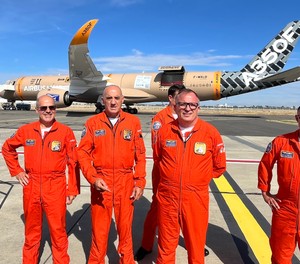
What seems conclusive in theory poses challenges in practice. Even without the new method, approach and landing require a lot of work in the cockpit. DLR has developed a new system to enable pilots to make their approaches quieter without having to do a lot of extra work. With the help of 25 pilots and a DLR test pilot, the researchers are currently conducting real flight tests at Zurich Airport to check whether the system is suitable for practical use.
Up to 70 flights planned
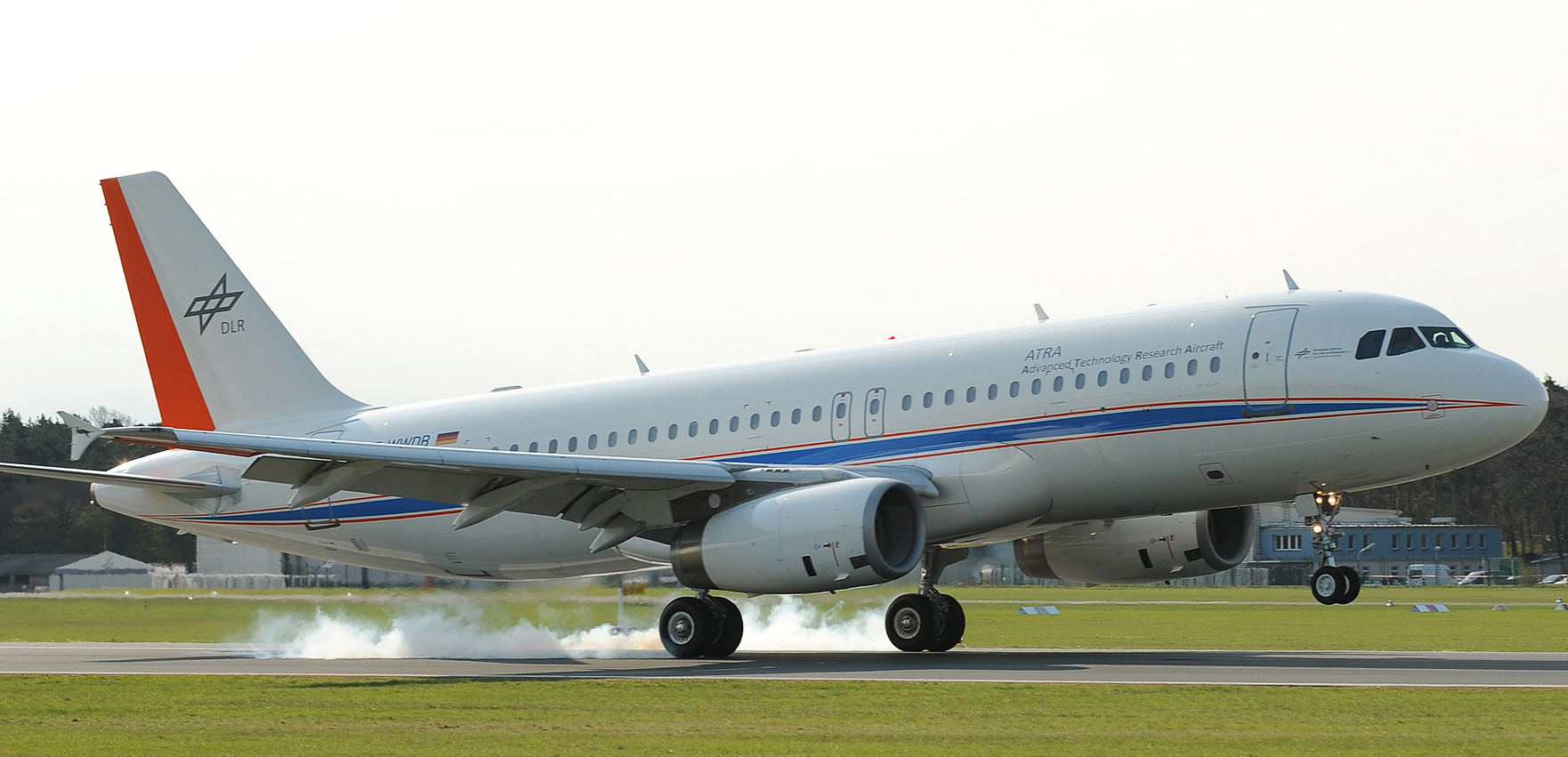
The Atra (Advanced Technology Research Aircraft) is a DLR Airbus A320 converted into a research aircraft. Since Monday (September, 9), the D-ATRA aircraft has been making up to 70 test approaches at Zurich Airport for five days. Each time it approaches runway 14 from the north, while measuring stations on the ground record the aircraft's noise. According to DLR, the number of flights is necessary to obtain enough data for evaluation.
During the approaches, the pilots glide along a sink profile, which the assistance system called LNAS (Low Noise Augmentation System) suggested on a screen. The LNAS also determines when the landing flaps and landing gear are to be extended. All in all, kinetic energy and flight altitude are better utilised.
In future aircraft?
«Constantly changing conditions such as wind and flight weight make the precise flying of vertical profiles of a low-noise approach procedure highly complex», explains DLR test pilot Jens Heider. The LNAS is now intended to save crews additional work. To this end, the system performs the calculations and is supposed to show pilots all the specifications in a clear and intuitive manner. DLR sees a good chance that its new system will find its way into aircraft on-board computers in the future.