Never before has the threat of resistance to antibiotics been more immediate and the need for solutions more urgent, the head of the World Health Organization (WHO) recently warned. Too few new antibiotics are coming to market to prevent this problem, according to General Director Tedros Adhanom Ghebreyesus. And aviation ist partly to blame.
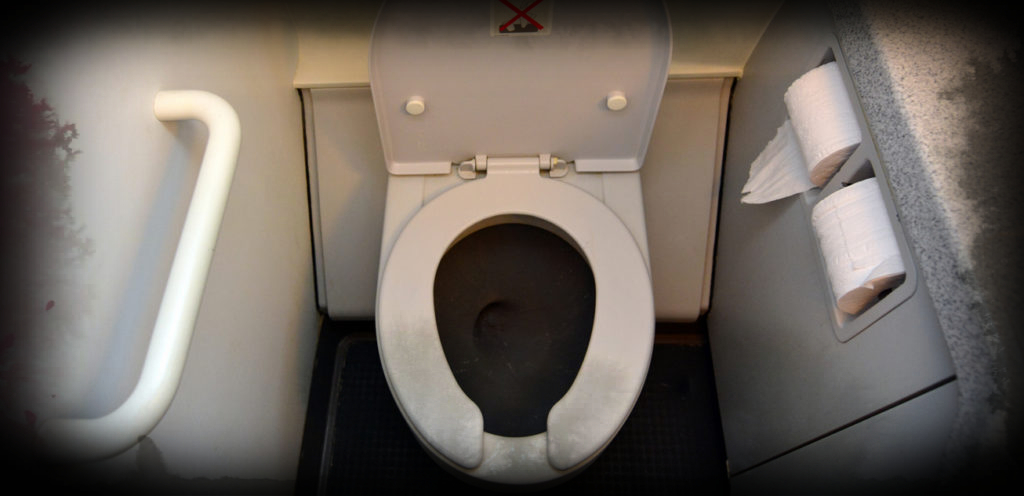
A recent study suggests that sewage from aircraft toilets contributes to the threat. Researchers from various German and international universities took samples at five German airports. The study does not mention the names of the airports. However, on the basis of the passenger figures mentioned, it is clear that the three largest airports Frankfurt, Munich and Düsseldorf were among them.
90 percent of bacteria resistant
The samples were taken from the vehicles into which aircraft wastewater is pumped. «Since the aircraft tanks are only emptied when necessary, each contains wastewater from several flights,» the study states. The scientists examined the samples for antibiotic-resistant bacteria and resistant genes. For comparison, they used corresponding values from German sewage plants with and without airport connections. The result: on average, the samples from the airplanes contained significantly more and also more diverse resistances.
Two particularly clear examples: Almost 90 percent of the E. coli bacteria from the planes were resistant to at least one of the antibiotics tested. In the municipal sewage plants, the values were only between 45 and 60 percent. The proportion of multiple resistances to three or more antibiotics was also considerably higher than the comparative values. In a certain combination, the value from aircraft wastewater even exceeded the value from German hospitals several times over.
Wastewater tanks need to be better researched
As a plausible explanation for the results, the study cites the mixing of intestinal bacteria of people from different regions of the world, which takes place through the aircraft sewage. However, the authors stress that other factors could also be decisive, but these have not yet been researched. For example, it is conceivable that certain disinfectants that are often used in aircraft wastewater tanks could create an environment that favours the development of certain resistances.
The scientists conclude: «Our results suggest that wastewater from aircraft can effectively contribute to the rapid and global spread of antibiotic resistance.» They further write that although the aircraft sewage is mixed with other sewage and thus virtually diluted.
Treat wastewater first, then mix it
However, even the smallest amount of resistance genes in the water cycle could become dangerous. From this point of view, it is not so much the high number of resistance genes that is problematic, but rather the fact that genes are imported from the other end of the world into a local ecosystem, where they are hardly ever found. The same applies to multiple resistances to several antibiotics.
As a consequence of their findings, the scientists make two suggestions. Firstly, they recommend researching the processes in the wastewater tanks. On the other hand, they recommend pre-treating airport wastewater to combat resistance before it is mixed with municipal wastewater. Given the comparatively small volume, this is probably cheaper and more effective than dealing with the problem later.
No immediate health hazard
The researchers in this study did not concern themselves with germs in the toilets of airplanes. For passengers, the findings on resistance do not pose an immediate health hazard - unless, perhaps, someone reaches directly into the toilet, which would be a bad idea everywhere.